
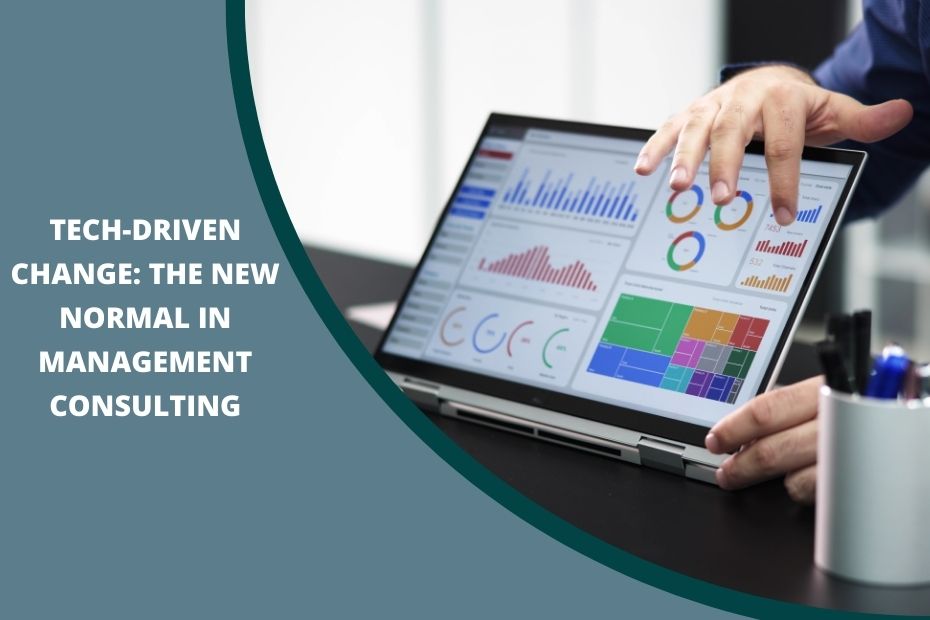
Management consulting, a field long associated with strategy, analysis, and advising, is undergoing a profound transformation driven by technology. As someone immersed in the consulting industry, I’ve seen firsthand how advancements in digital tools, artificial intelligence, and data analytics are redefining how consultants operate and deliver value. This shift is not merely an adaptation to new tools but a rethinking of how consulting firms can best serve their clients in a rapidly changing world. Let’s explore the key changes that are shaping the future of management consulting.
The Role of Artificial Intelligence (AI) and Automation
AI and automation have become indispensable in consulting, streamlining processes that once required extensive manual effort. From analyzing large datasets to generating predictive models, these tools enable consultants to work faster and more accurately. For instance, AI-powered software can quickly identify trends within complex datasets, giving clients actionable recommendations in a fraction of the time.
However, while AI and automation improve efficiency, they are no substitute for human judgment. Consultants must interpret these results within the context of their client’s unique challenges and goals. The best outcomes occur when technology augments human expertise rather than attempting to replace it.
Emphasis on Digital Transformation Services
Digital transformation has become a critical focus for clients across industries. Businesses recognize that integrating technology into their operations is no longer optional but essential for staying competitive. As a result, consulting firms are increasingly helping organizations navigate their digital journeys.
This includes crafting digital strategies, selecting and implementing new technologies, and managing organizational change to ensure adoption. For example, firms might assist clients in transitioning to cloud-based systems, automating workflows, or adopting AI-driven tools. Consultants who can guide businesses through these complex transformations are more valuable than ever.
The Rise of Data Analytics
The ability to harness and interpret data is now a cornerstone of effective consulting. Advanced analytics tools allow firms to extract meaningful insights from vast amounts of information, which in turn enables precise and impactful recommendations. This shift has fundamentally altered how consulting engagements are approached.
For instance, instead of relying solely on qualitative observations, firms can now back their recommendations with robust data models. This data-driven approach enhances decision-making and builds trust with clients, who can see the tangible evidence behind the advice being given.
Virtual Consulting as the New Normal
Technology has also revolutionized how consulting services are delivered. Remote and virtual consulting have become increasingly common, particularly in the wake of global disruptions. Video conferencing platforms, digital collaboration tools, and virtual workshops allow consultants to engage with clients regardless of location.
While virtual consulting offers convenience and scalability, it also requires new approaches to relationship-building and communication. In my practice, I’ve found that maintaining strong connections with clients in a remote setting requires intentionality—whether it’s scheduling regular check-ins or creating interactive virtual experiences to foster engagement.
Proprietary Digital Tools and Platforms
Another major shift in the industry is the development of proprietary digital tools by consulting firms. These platforms provide clients with real-time access to analytics, dashboards, and customized solutions tailored to their specific needs. This marks a departure from traditional consulting, where solutions were often bespoke and limited to reports or presentations.
These tools enable consultants to offer scalable, repeatable services without compromising on customization. For clients, this means gaining ongoing support and insights beyond the consulting engagement, further strengthening the value proposition of these services.
Cybersecurity and Data Privacy: A Growing Priority
As businesses become more reliant on technology, protecting digital assets has never been more critical. Cybersecurity and data privacy have become central to consulting engagements, particularly for firms advising clients on digital transformation. Whether it’s implementing secure systems or ensuring compliance with regulations, consultants play a crucial role in safeguarding sensitive information.
This emphasis on security is about mitigating risks and building trust. Clients need assurance that their digital operations are both robust and compliant, especially when dealing with customer data or proprietary information.
Agile Methodologies in Consulting
To keep pace with technological changes, consulting firms are adopting agile methodologies—a flexible, iterative approach to project management. Agile practices allow consultants to adapt quickly to shifting client needs and deliver value incrementally rather than waiting for the end of a long project cycle.
For example, when implementing a new technology system, an agile approach might involve rolling out features in phases, gathering feedback, and making improvements along the way. This ensures that clients see immediate benefits and can adjust the process as needed. Agile methodologies foster collaboration and responsiveness, which are critical in today’s fast-moving environment.
Strategies for Tech-Driven Consulting Success
- Adopt AI to enhance efficiency.
- Guide clients through digital transformation.
- Use data analytics for actionable insights.
- Embrace virtual consulting models.
- Create proprietary digital tools.
- Focus on cybersecurity and compliance.
- Apply agile methodologies for flexible delivery.
In Conclusion
The consulting industry is transforming as technology reshapes processes and value delivery. By integrating AI, guiding digital transformation, prioritizing data-driven insights, and adopting agile practices, firms can meet evolving client needs while maintaining the human expertise that defines the profession. Balancing technology with personalized strategies is key to thriving in this new era.